Restore
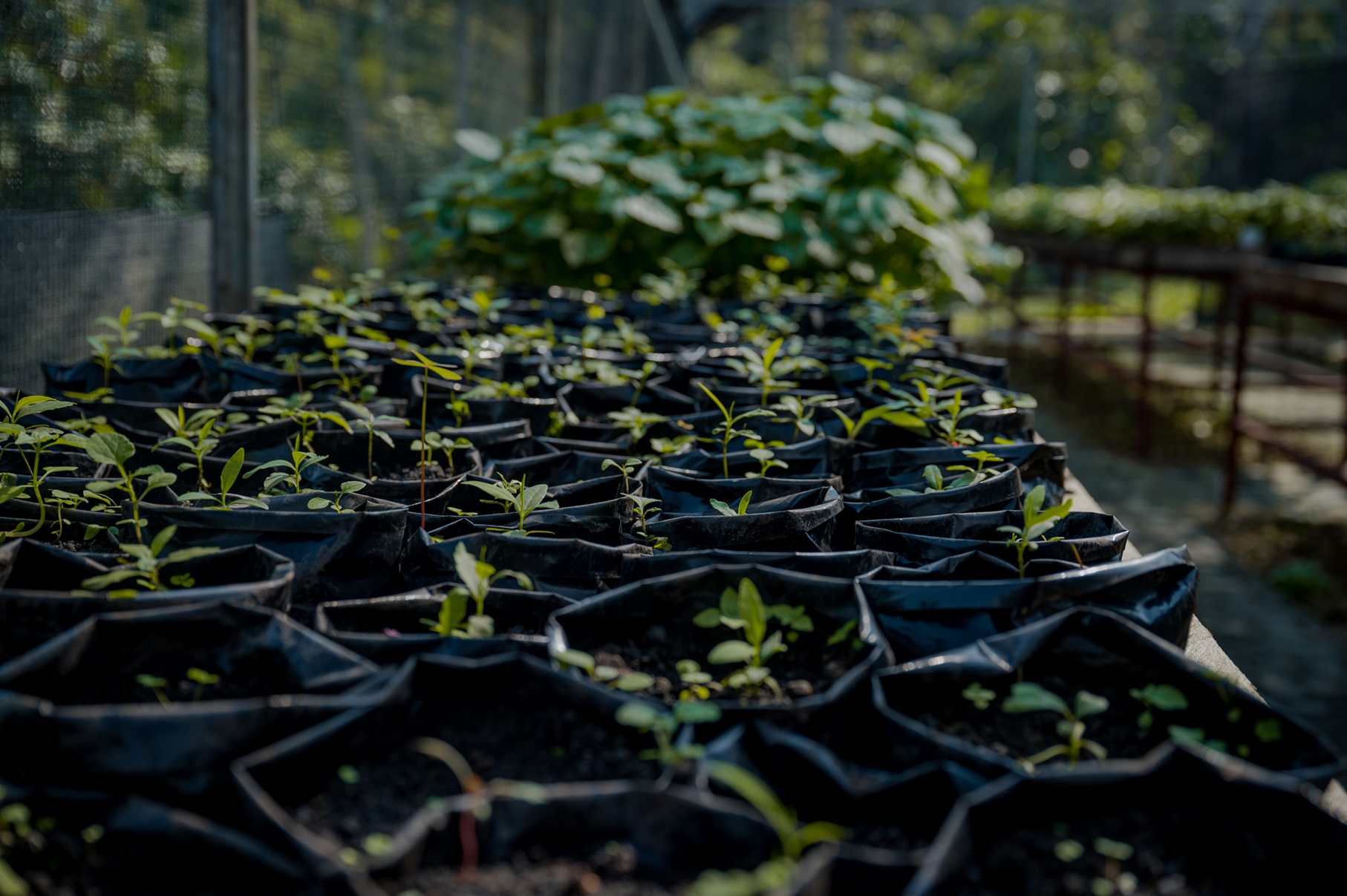
Forests, farmlands, wetlands and riverbanks brought back to health with the people who steward them.

How we work
Climate and natural resources, food systems, clean water and youth skills are not separate issues. We design our work around the way communities actually live, across the whole landscape.
Forests, farmlands, wetlands and riverbanks brought back to health with the people who steward them.
Local institutions, skills, enterprises and governance that can carry the work forward.
Women, youth, refugees and host communities at the centre of planning and benefit.
Thematic areas
Each thematic area stands on its own. It also connects to the others. A restored riverbank needs a livelihood plan. A youth enterprise needs a market. A water point needs a functioning committee.
Cross-cutting work
Some work cuts across several thematic areas at once. These programmes bring them together in one place, in the communities where the need is greatest.
Current projects
6 projects translate our thematic strategy into practical action with communities, local governments and partners.
Climate Asset Management, through CARE International
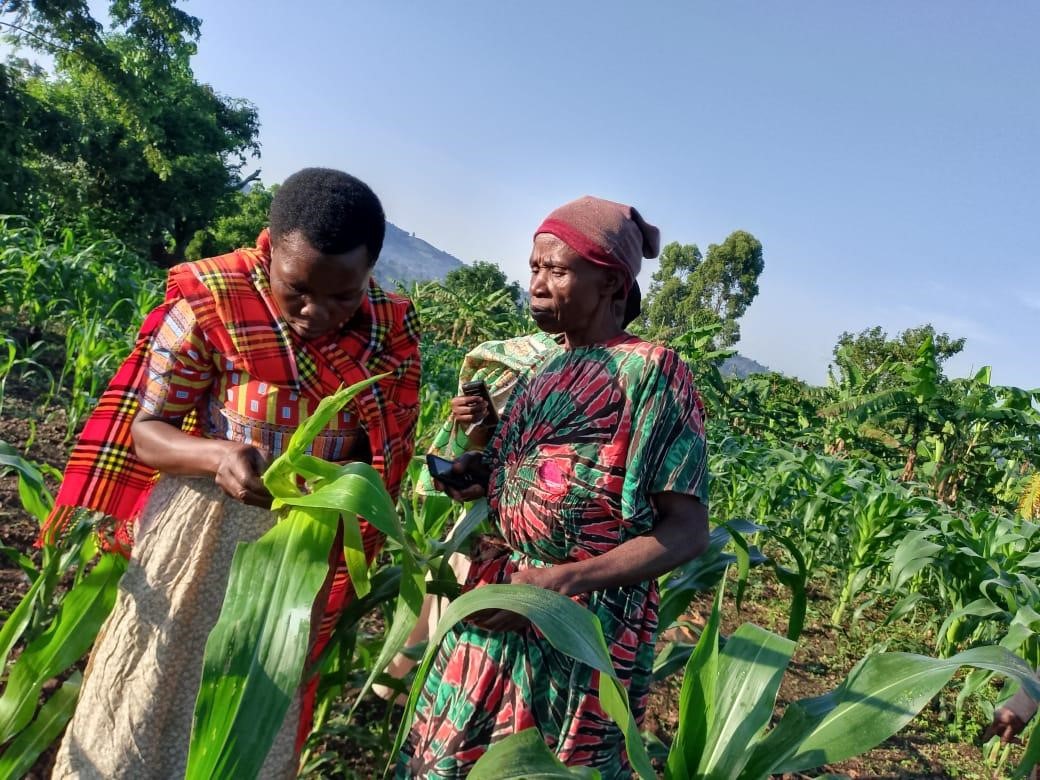
Large-scale restoration of degraded landscapes through tree planting, Farmer Managed Natural Regeneration and sustainable land management.
Forests of the World
Climate-resilient agroforestry, EUDR compliance and sustainable coffee, cocoa and vanilla value chains.

Join For Water
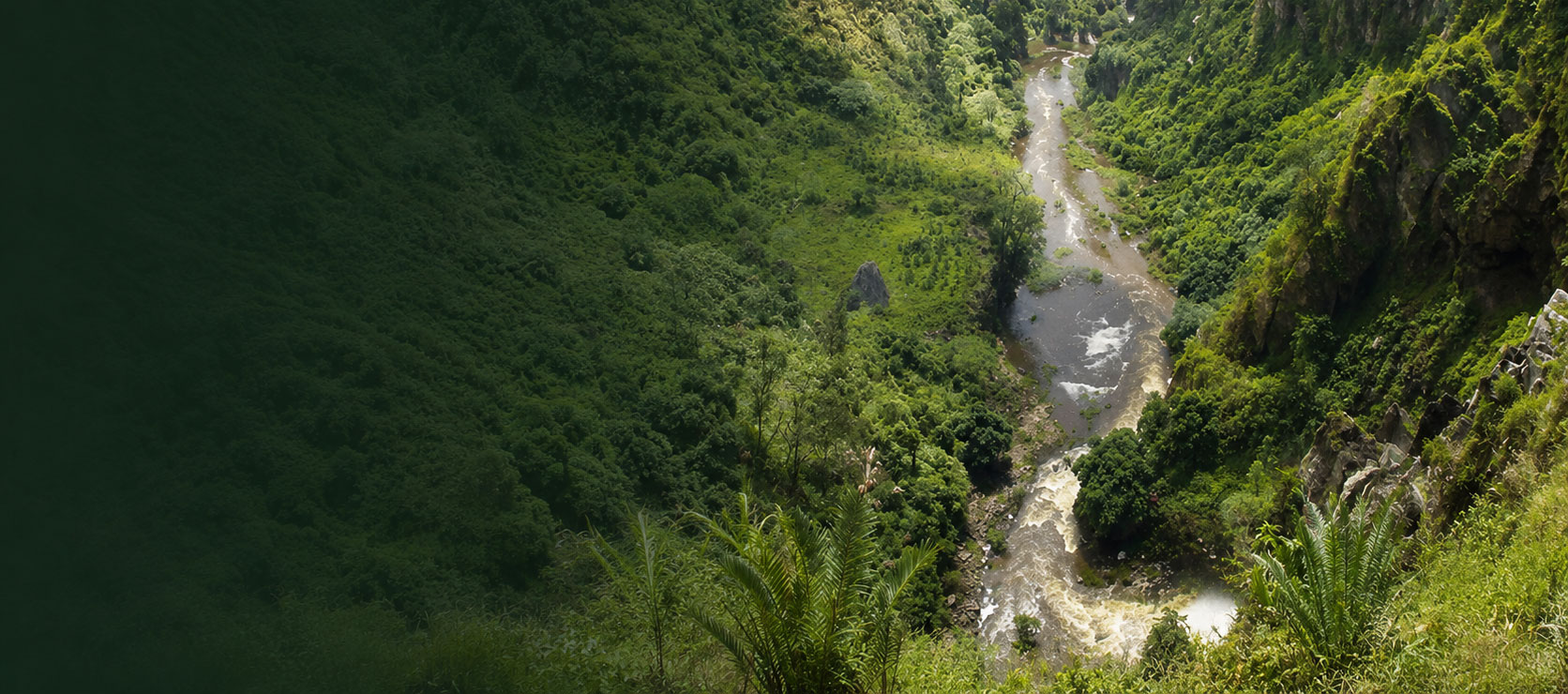
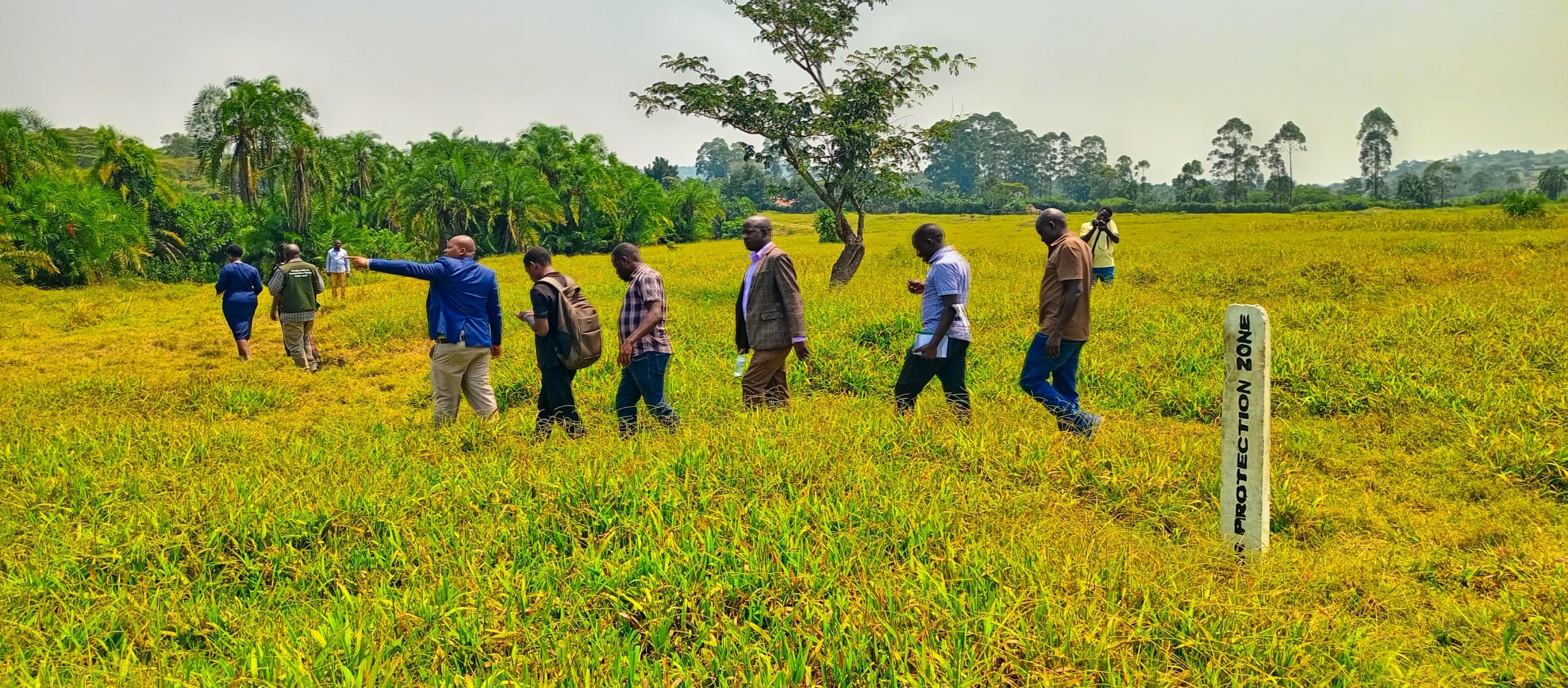
A multi-year programme restoring the catchment through riparian protection and community-led conservation.

Simavi
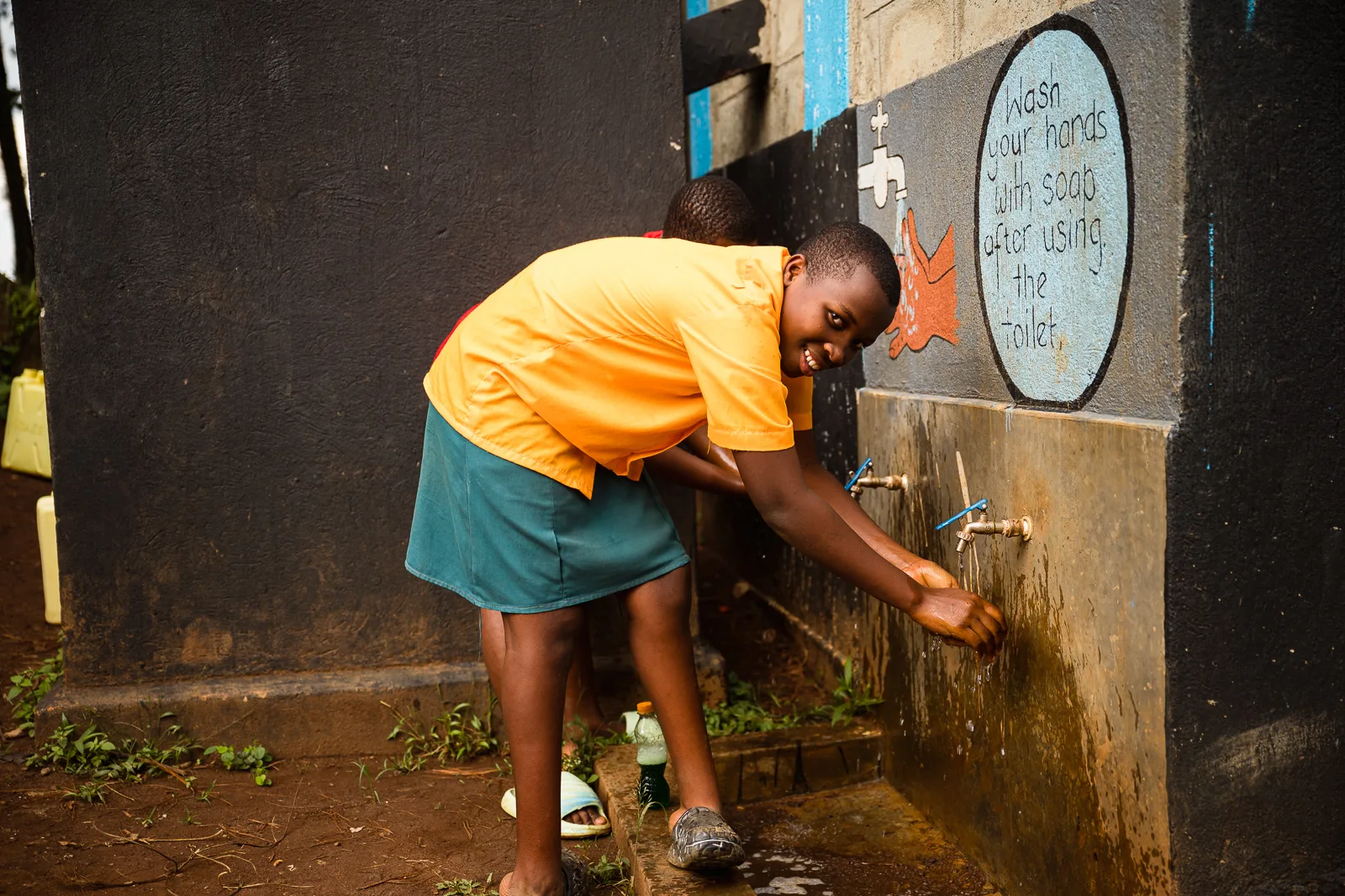
WASH model schools, community water points and local cost-recovery initiatives across nine primary schools.

Welthungerhilfe
Vocational and green skills, start-up kits and a route to work for out-of-school youth.

Local government and humanitarian partners
Integrated support for refugees and host communities spanning nutrition, livelihoods, clean energy and ecosystem restoration.
Our approach
A tree planted on a riverbank only survives if the household has food and income. A water point only lasts if the community owns it. A youth enterprise only grows if the market is real.
That is why we plan across sectors, invest in local institutions and stay long enough to learn what works. Our teams work with district governments, community groups, researchers and private sector actors, not around them.
Where we work
From the Rwenzori foothills to the Albertine Rift and the shores of Lake George, our teams work where landscapes and livelihoods are most closely connected.
Be part of the next chapter
We are always open to conversations that connect resources, expertise and local leadership.