 Landscapes
20 May 2025 Ntara and Kanara, Kitagwenda

Thematic area · Climate and Natural Resources
We restore forests, wetlands and river buffers, and support the community groups that protect them.
Healthy landscapes support resilient livelihoods. In the Rwenzori, the Albertine Rift and Western Uganda, JESE works with communities, local governments and conservation agencies to restore degraded forests, farmland, wetlands and river catchments, so the people who care for these landscapes also benefit from them. JESE has led community-based forest restoration in this region for more than thirty years.
Households and institutions plant indigenous and multipurpose trees on farms, riverbanks and degraded land, and farmers protect and prune naturally regrowing trees to restore farmland at low cost and at scale.
Community forest groups hold formal agreements with the National Forestry Authority, and communities agree to protect forests, wetlands and river buffers, with support for their livelihoods in return.
JESE restores riverside buffers, wetlands and catchments through integrated water resource management, protects the ecological corridors that connect Uganda's protected areas, and links farmers and community groups to carbon markets, so that tree planting and restoration can earn them income.
Healthy ecosystems and secure livelihoods depend on each other. JESE works with communities, local governments, conservation agencies and development partners.
We restore forests, wetlands and river buffers, and support the community groups that protect them.
What we do
Practical actions, delivered with communities and local institutions.

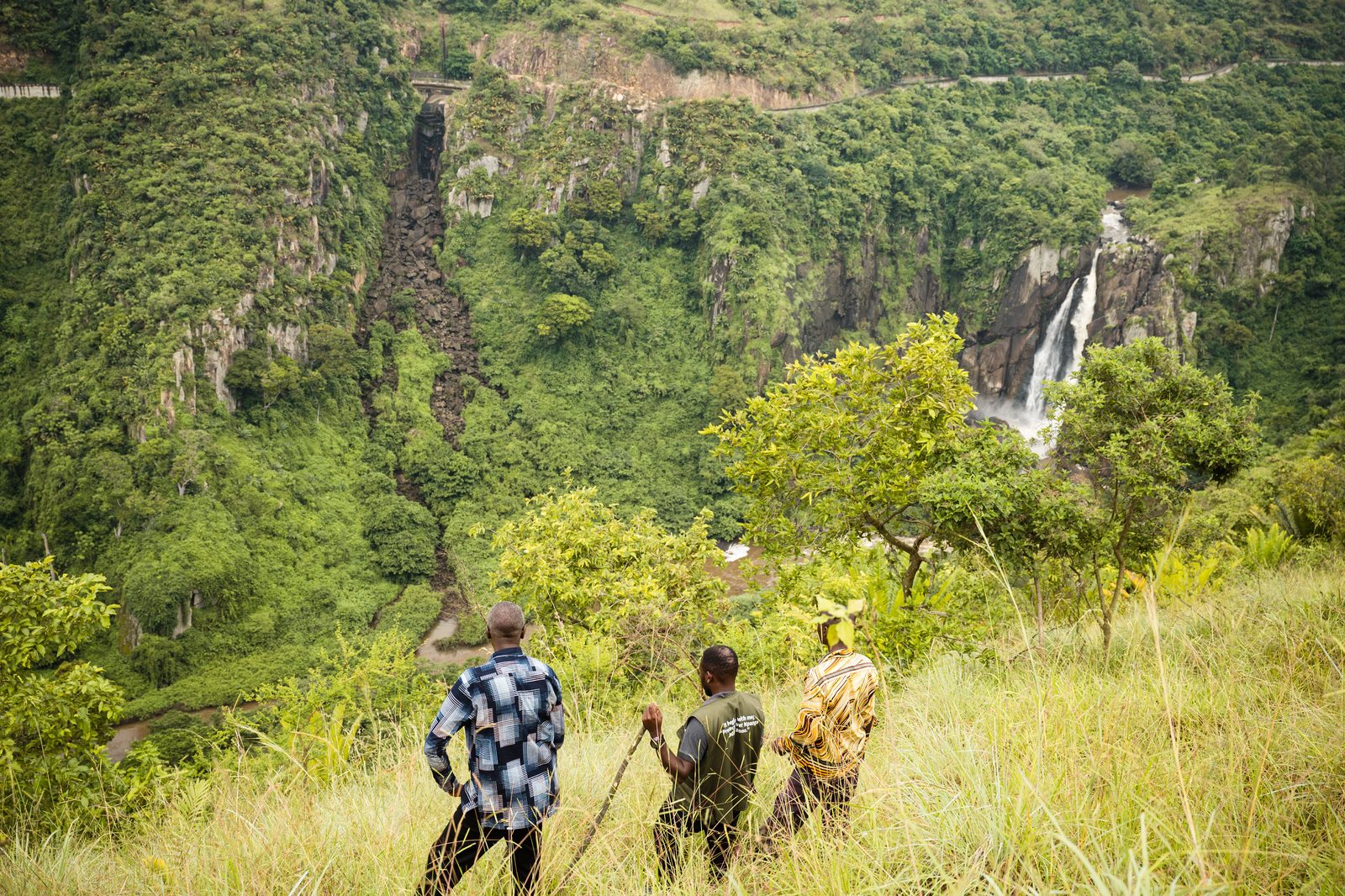
Supporting households and institutions to plant indigenous and multipurpose trees on farms, riverbanks and degraded land.
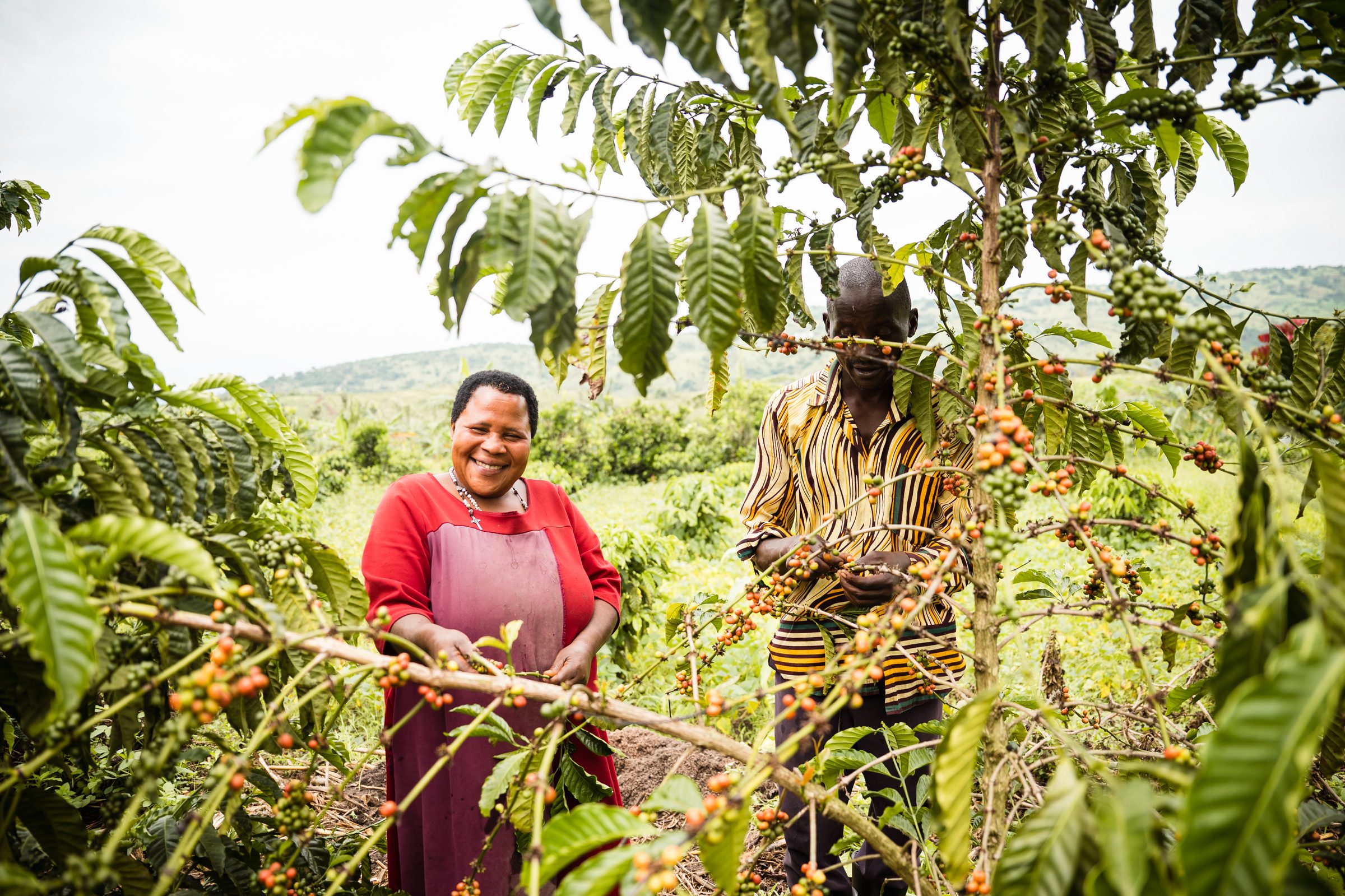
Combining coffee, cocoa and vanilla with tree-based farming to restore soil and shade and raise household income.

Protecting and pruning naturally regrowing trees to restore farmland at low cost and at scale.
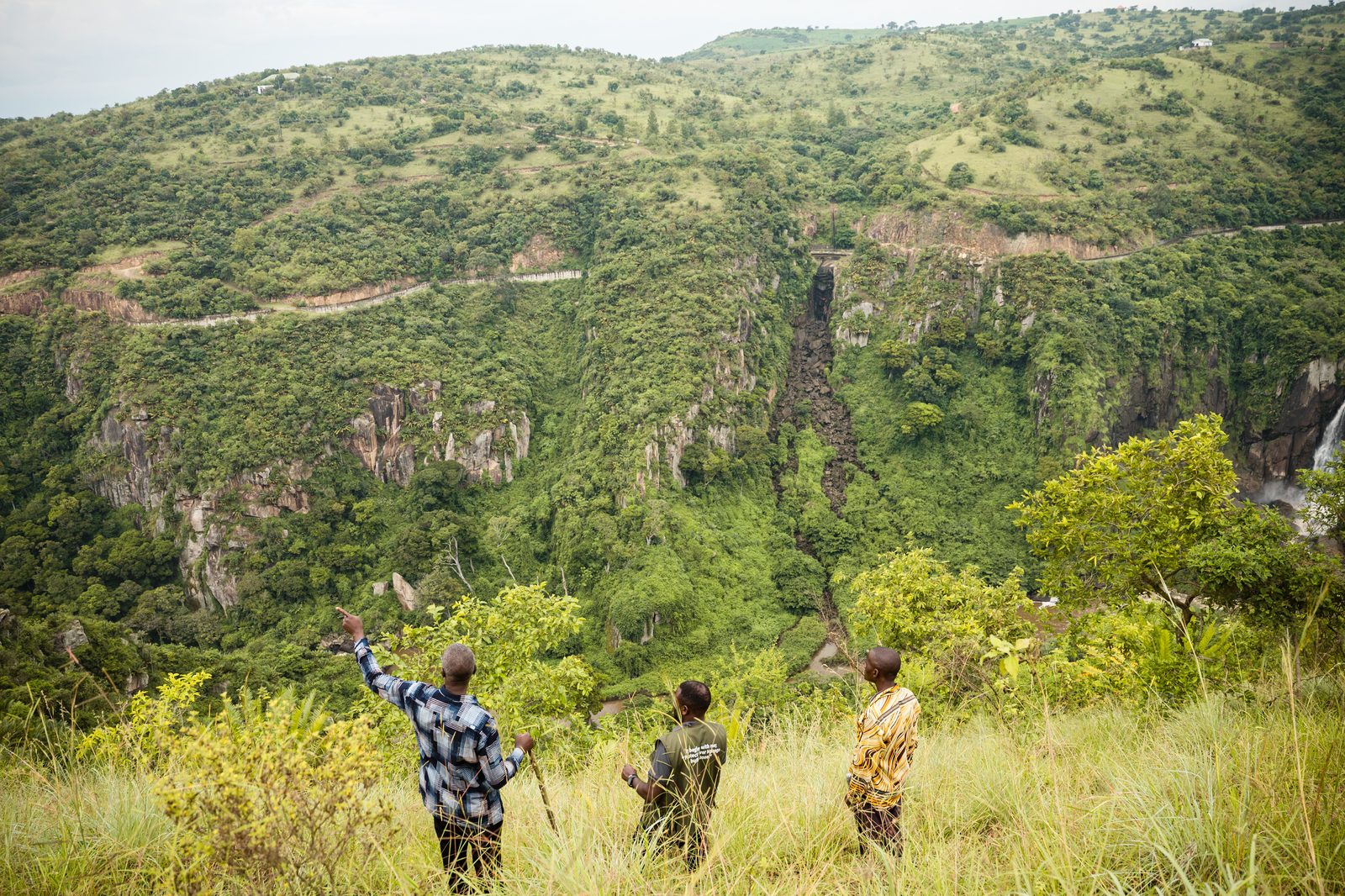
Strengthening community forest groups and their formal agreements with the National Forestry Authority.
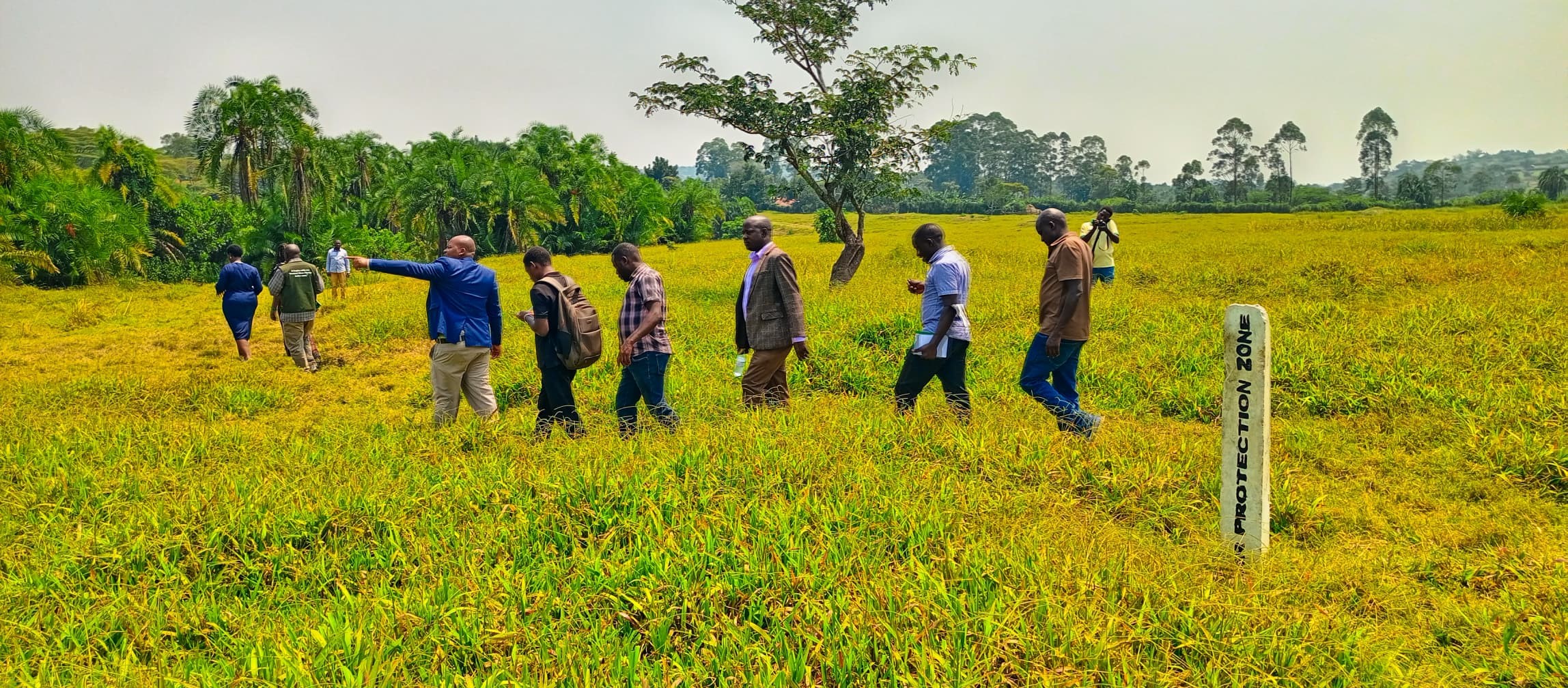
Restoring riverside buffers, wetlands and catchments through integrated water resource management.
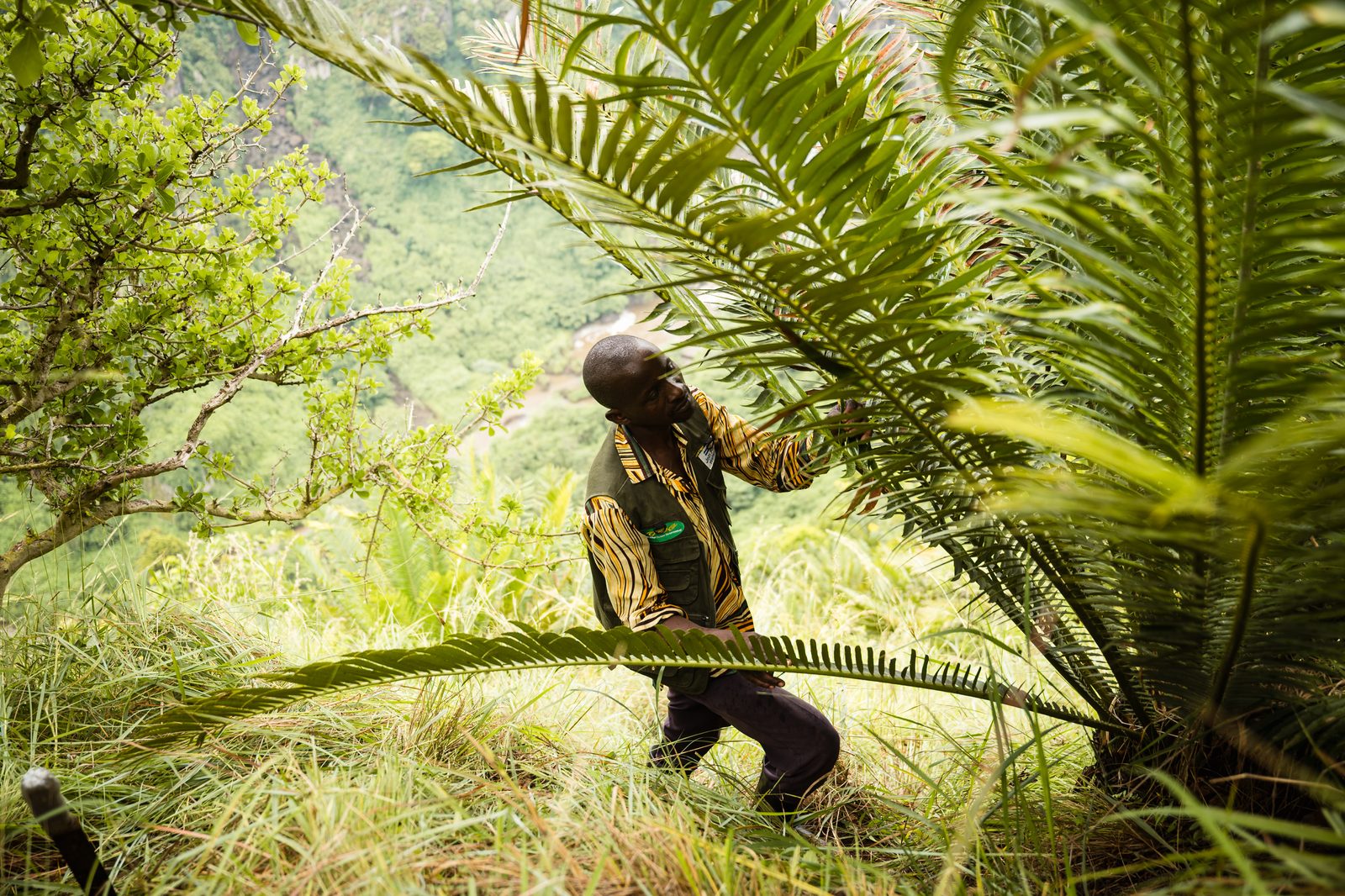
Protecting ecological corridors, indigenous species and habitats that connect Uganda's protected areas.

Agreements with communities to protect forests, wetlands and river buffers, with support for livelihoods in return.
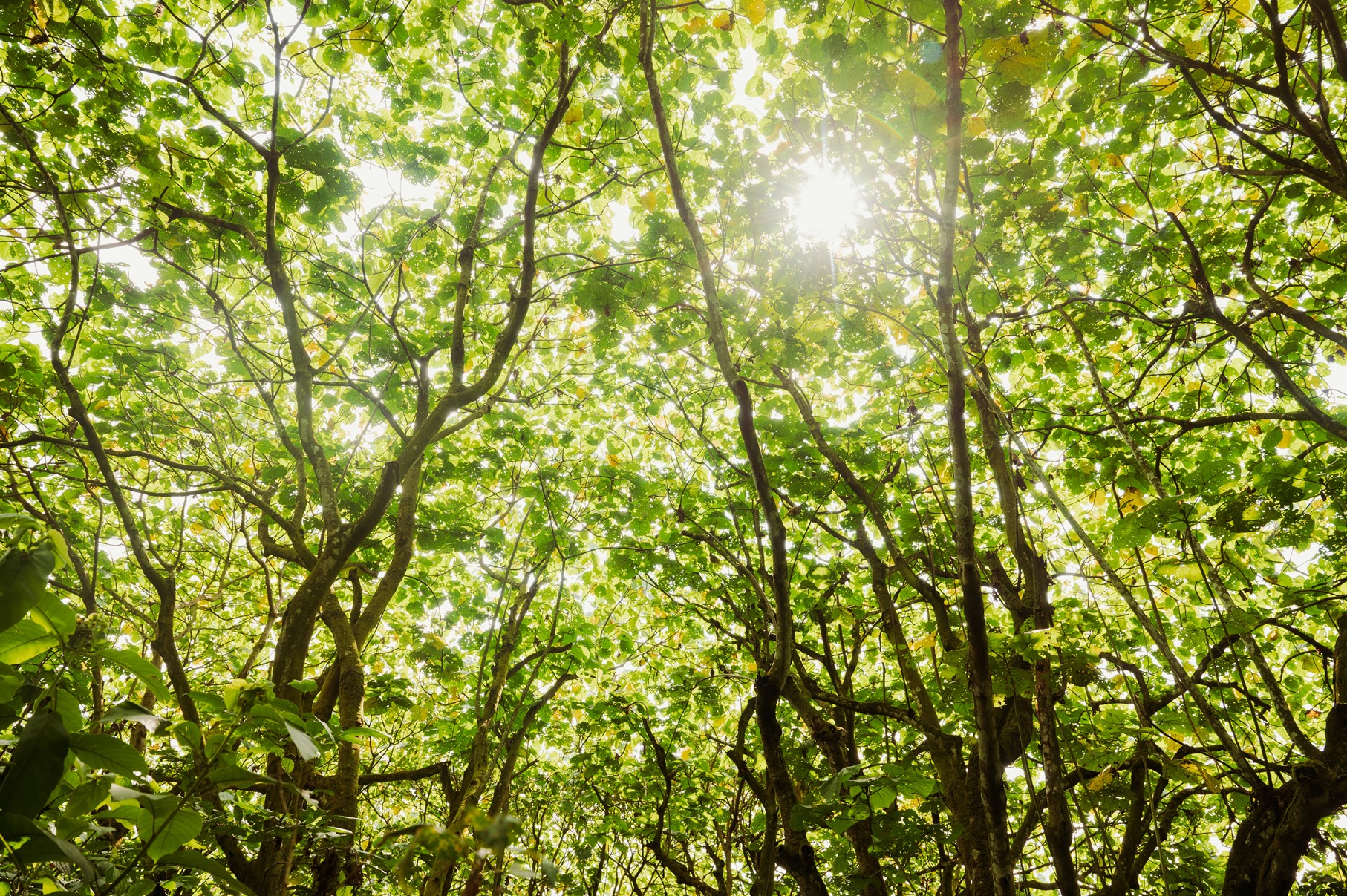
Linking farmers and community groups to carbon markets, so that tree planting and restoration can earn them income.
3,267,141
trees planted with communities (2021 to 2026)
5,700+
hectares restored (2023 to 2026)
765.5
hectares protected in the River Mpanga catchment, with 50,000 trees (2023 to 2026)
Current projects
From the field
Continue exploring
Start a conversation
Fund a component, bring technical expertise or explore a research partnership with JESE.
partnerships@jese.orgBe part of the next chapter
Bring funding, technical expertise or a research question to a team with deep local relationships in Western Uganda.
